
LPPM UNHAS Conducts Monitoring and Evaluation of the Second Wave of the Second Year of the Advanced Indonesia Research and Innovation (RIIM) Research
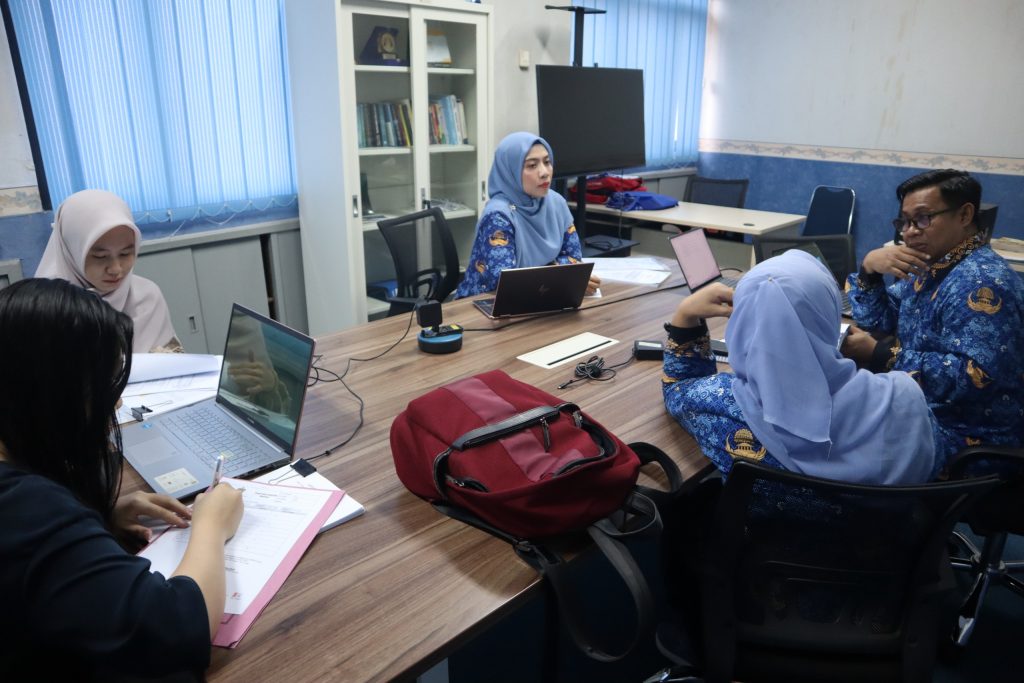
Tuesday, May 20, 2025 – The Institute for Research and Community Service (LPPM) of Hasanuddin University (UNHAS) has just conducted Monitoring and Evaluation (Monev) for the Second Wave of the Second Year of the Indonesian Innovation Research Program (RIIM). The Monev process was conducted in a hybrid manner, where researchers attended in person, while the review team participated in the activity via the Zoom platform. This activity aimed to evaluate the progress and quality of research funded through the RIIM program, as well as to ensure that the research results could provide tangible benefits to the Indonesian people.
As in previous implementations, this Monev focused on financial reports and research output substance. From a financial perspective, an audit was conducted on the use of research funds to ensure transparency and accountability. Meanwhile, the substance aspect was reviewed to assess research progress, publication quality, and its relevance to the needs of society and industry.
This activity involved researchers from the health sector, particularly from the Faculty of Pharmacy and the Faculty of Agriculture. To ensure the objectivity and quality of the evaluation, this monitoring and evaluation involved two independent reviewers who were tasked with assessing the substance of the research, as well as a financial team that conducted an audit of fund management. This performance indicator-based evaluation is expected to serve as a means of guidance for researchers in improving the quality of research and the effectiveness of research resource utilization.
It is hoped that the RIIM program can further strengthen the contribution of UNHAS research in developing innovations that can overcome various challenges faced by Indonesia, such as economic, social, and environmental issues.
The Second Wave of the Second Year of the RIIM Research Monitoring and Evaluation is expected to strengthen collaboration between various disciplines at UNHAS and encourage researchers to continue innovating in order to create real solutions to the problems faced by the Indonesian people.
| S | S | R | K | J | S | M |
|---|---|---|---|---|---|---|
| 1 | 2 | 3 | 4 | |||
| 5 | 6 | 7 | 8 | 9 | 10 | 11 |
| 12 | 13 | 14 | 15 | 16 | 17 | 18 |
| 19 | 20 | 21 | 22 | 23 | 24 | 25 |
| 26 | 27 | 28 | 29 | 30 | 31 | |