
LPPM UNHAS Successfully Held Community Service Program Exhibitions in Three Regions: Barru, Parepare, and Sidrap
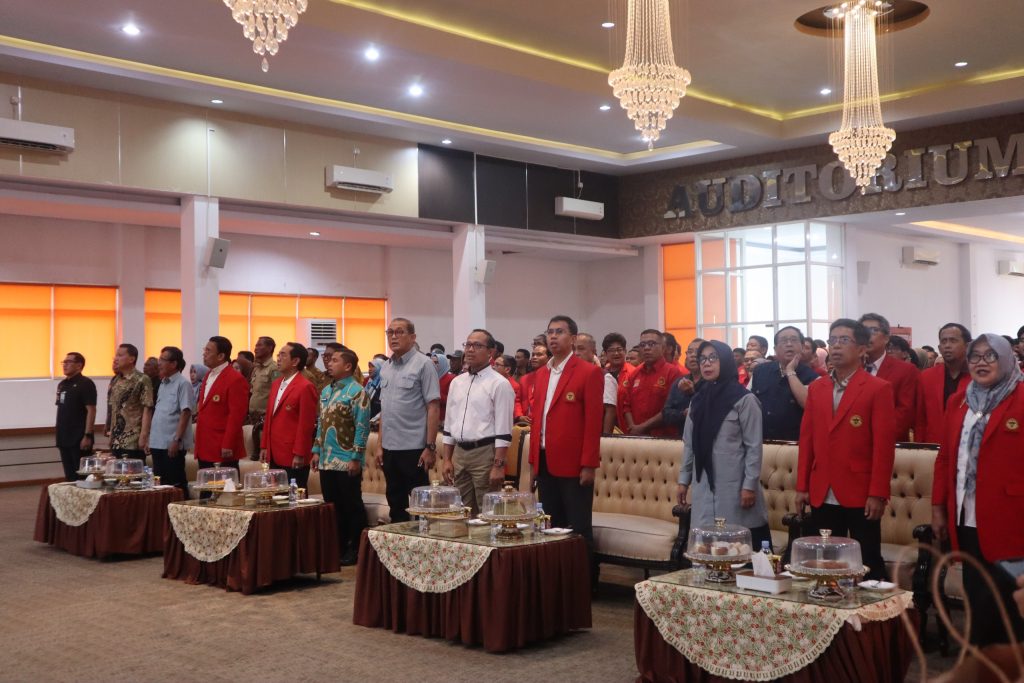
The Institute for Research and Community Service (LPPM) of Hasanuddin University (UNHAS) has once again demonstrated its active role in bridging the gap between academic research and innovation and the needs of the community. Through the UNHAS Community Service Program Exhibition/Expo (PPMU), LPPM UNHAS successfully held a series of expos in three districts/cities, namely Barru Regency, Parepare City, and Sidenreng Rappang Regency (Sidrap). The event took place over two days, September 29-30, 2025.
This exhibition is a form of dissemination of the results of community service programs that have been carried out by UNHAS lecturers and researchers together with partner communities in various sectors, such as agriculture, animal husbandry, health, education, the environment, MSMEs, and appropriate technology. This expo is an interactive forum between academics and the community, as well as strengthening collaboration with local governments.
The Head of LPPM UNHAS, Prof. Dr. Muh. Nasrum Massi, Ph.D., Sp.MK, said that the expo aims to directly showcase the results of UNHAS’s community service programs that have had a real impact on the community.
“This exhibition is a form of our academic responsibility to ensure that the results of research and community service do not only stop at the campus, but are truly felt by the community. Through this expo, we are opening up a wider space for dialogue and collaboration,” he said.
In addition to the exhibition, the event also featured counseling, thematic discussions, and demonstrations of appropriate technology innovations. At each location, LPPM UNHAS involved local partners and students from the Thematic Community Service Program (KKN Tematik) in the implementation of the activities.
This activity is part of LPPM UNHAS’s efforts to expand the reach of its community service programs, while strengthening the synergy between universities, the community, and local governments. LPPM UNHAS is also compiling an evaluation report on the implementation of the expo as a basis for developing a sustainable dissemination model in the future.
With the successful implementation of the expo in these three regions, LPPM UNHAS is committed to continuing to develop community service programs based on community needs and strengthening UNHAS’s role as a university that has a direct impact on regional development.
| S | S | R | K | J | S | M |
|---|---|---|---|---|---|---|
| 1 | 2 | 3 | 4 | |||
| 5 | 6 | 7 | 8 | 9 | 10 | 11 |
| 12 | 13 | 14 | 15 | 16 | 17 | 18 |
| 19 | 20 | 21 | 22 | 23 | 24 | 25 |
| 26 | 27 | 28 | 29 | 30 | 31 | |